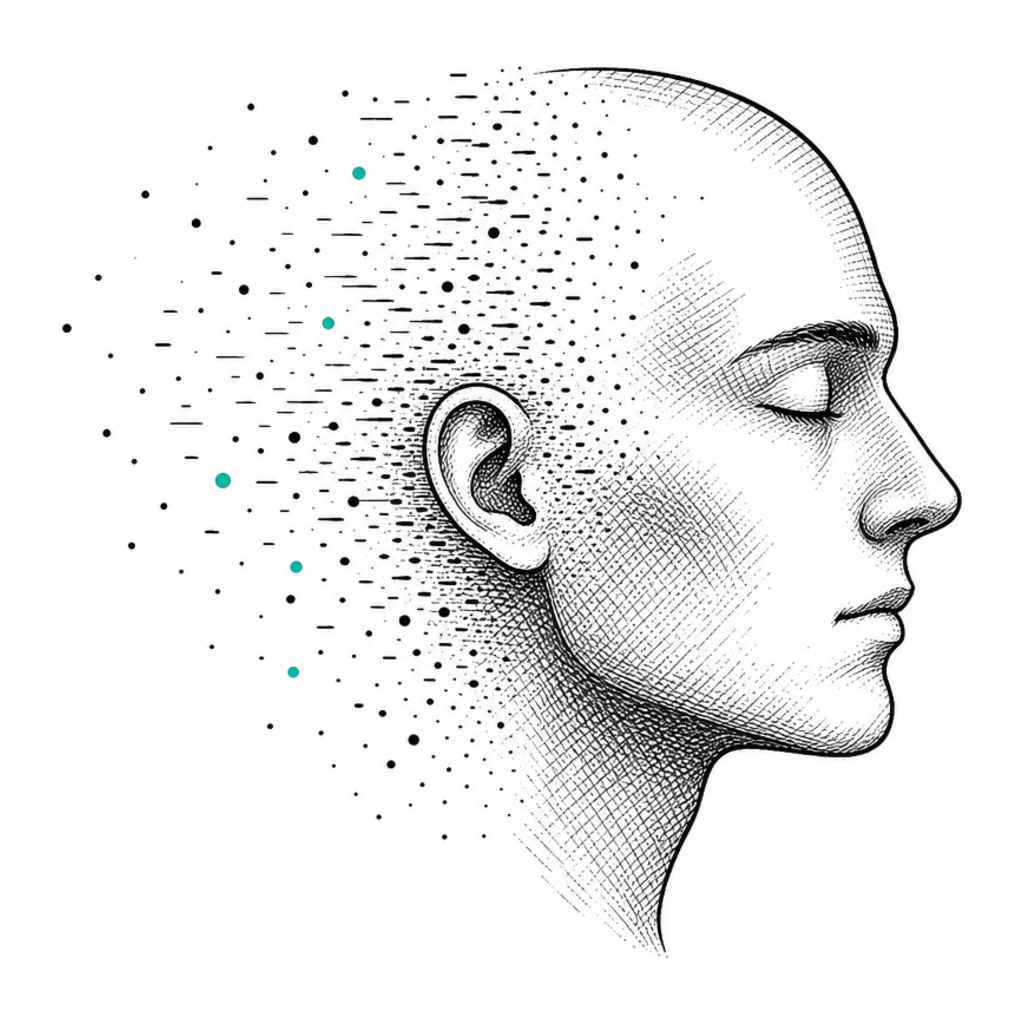
Low-arousal canvas
Muted paper tones, no flashing transitions, one panel at a time and slower narration pacing, so the page never overwhelms.
inclusive by design
Eido has three accessibility workspaces built with autistic learners, Deaf and hard-of-hearing readers, and dyslexic or ADHD students in mind. Each one changes how the page reads, sounds and draws — not just its colours.
The accessibility suites in 45 seconds
Social Stories panels, a First–Then board, drawn sound effects and ASL handshape cards.
Narrated · captions on screen · about 40 seconds
For autistic children and teens, and for the parents, speech-language pathologists and special-education teachers working alongside them. Turn a doctor visit, a fire drill or a new classroom into a calm, predictable picture story.
Muted paper tones, no flashing transitions, one panel at a time and slower narration pacing, so the page never overwhelms.
Any situation becomes Situation → What to expect → How I can react, each drawn as a calm stick-figure panel with an emotion badge.
Idioms, sarcasm and figures of speech are translated into what they literally mean, then drawn the literal way too.
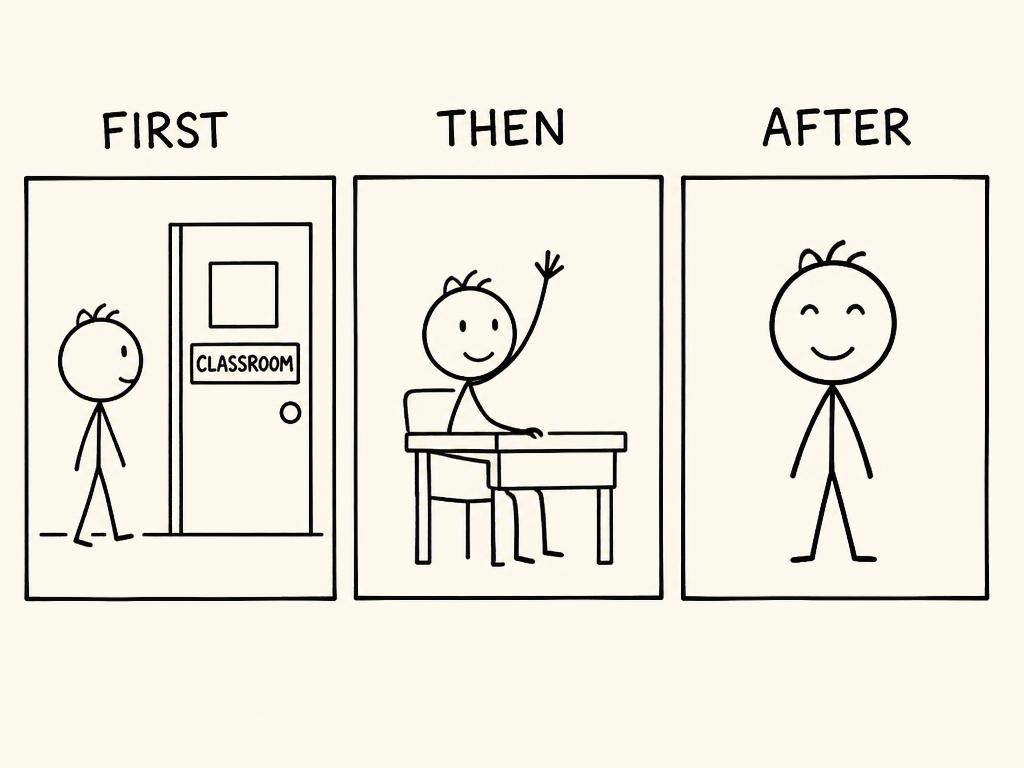
Turn a routine into a First–Then board, or export 2 × 2 inch printable AAC / PECS cards with labels ready to cut out.
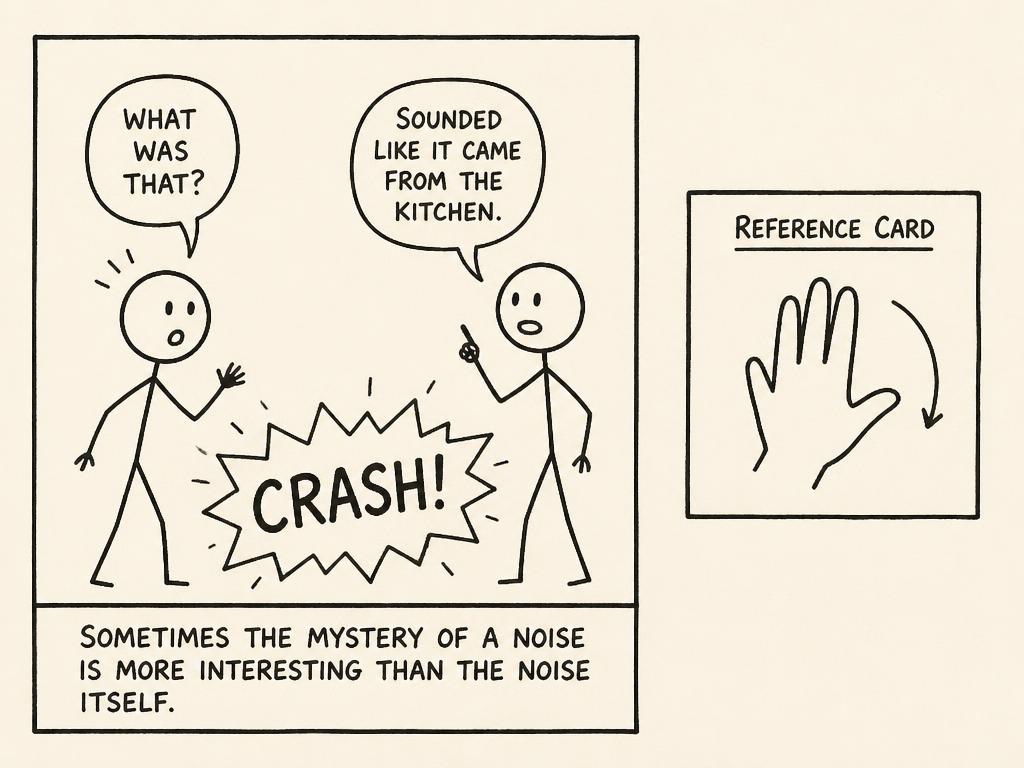
Audiobooks and narration carry a lot of meaning in sound. This workspace moves all of it onto the page: sound effects become drawings, tone becomes a caption, and key words get an ASL handshape reference.
Doors slam, glass breaks, someone whispers — each sound becomes a hand-lettered burst or motion line inside the panel instead of audio you can't hear.
Captions name the speaker and tone, and a pacing bar shows the rhythm of the sentence so timing is visible, not just audible.
An ASL gloss line sits under the original text, and key vocabulary gets a hand-drawn handshape card with fingerspelling.
Pin sign references in a floating picture-in-picture viewport, then export the whole chapter as a captioned comic strip PDF.
For K-12 and college students who read better when the page holds still and the meaning is drawn. Assigned reading becomes short illustrated chunks you can actually finish.
Switch the reader to a dyslexia-friendly typeface with wider spacing and heavier baselines in one toggle.
A focus ruler tracks the current line, and long passages are split into short chunks so attention has somewhere to land.
Hard or archaic words get their own sketch, characters keep a consistent identifier, and motifs are drawn out instead of explained.
Cornell-layout study guide, flashcards and a character web — all printable for revision away from the screen.
autism · Deaf & ASL · dyslexia
Eido has workspaces built with autistic learners, Deaf and hard-of-hearing readers, and dyslexic or ADHD students in mind — each one changes how the page reads, sounds and draws.